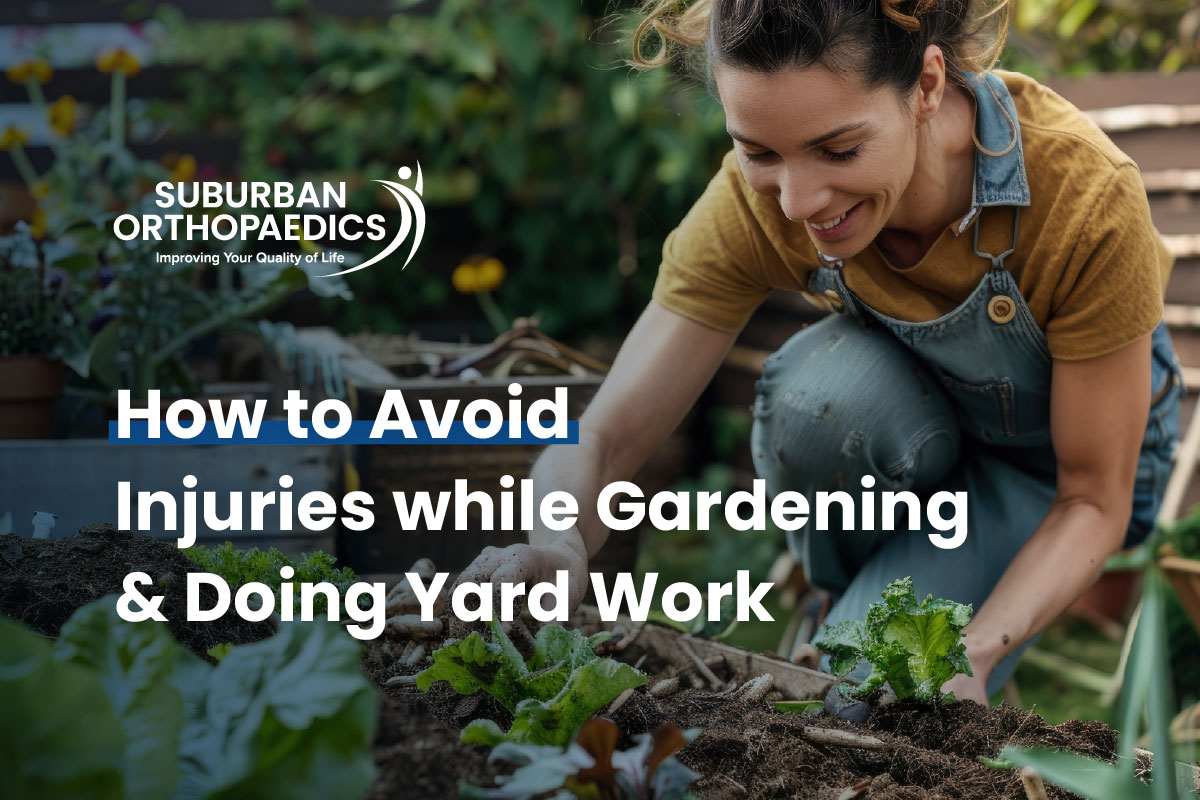
As the weather warms up, many of us are eager to get outside and tend to our yards and gardens. Gardening is a great way to stay active, enjoy the fresh air, and reap the rewards of your hard work. However, like any physical activity, gardening comes with its fair share of risks. Repetitive movements, awkward positions, and improper techniques can lead to muscle strains, joint pain, and other injuries.
To help you avoid injury and enjoy a safe gardening experience, here are 8 expert tips to keep you feeling great while you dig, plant, and prune.
1. Always Warm Up
Before you dive into gardening, take a few minutes to warm up your body. Even if you’re used to gardening, repetitive movements and static positions can take a toll. Warming up increases blood flow, reduces muscle stiffness, and helps prevent injury. A quick 10-minute warm-up such as walking, light stretching, or shoulder circles can make all the difference.
2. Use the Proper Tools
It might seem like a small thing, but using the right tools can significantly reduce the strain on your body. Short-handled tools force you to bend over and strain your back, while longer handles let you stand upright and use your body weight for tasks like digging and raking. Consider ergonomic tools with easy-grip handles to protect your wrists and hands.
Pro tip: Don’t forget knee pads or a gardening cushion to save your knees from discomfort during prolonged kneeling.
3. Pace Yourself
Gardening can be physically demanding, so don’t overdo it, especially if you’re just starting. Begin with 20 to 30 minutes of gardening, then take a break and hydrate. As your body gets used to the activity, you can gradually extend your gardening sessions. Remember, slow and steady wins the race!
4. Switch Up Your Tasks
Repetitive movements can lead to overuse injuries. To avoid this, change tasks every 20 to 30 minutes. For example, alternate between weeding, raking, and pruning. This will allow different muscle groups to rest while you keep making progress.
Pro tip: Take breaks for watering or planting.
5. Use Proper Body Mechanics
One of the most important tips for preventing injury is learning to use your body correctly. Whether you’re lifting, bending, or carrying, always engage your core muscles. This helps protect your back and minimize strain. When lifting heavy objects like soil bags or large plants, bend at your hips and knees, not your waist. Keep the weight close to your body and use your legs to lift, not your back.
6. Work at the Right Height
When gardening on the ground, find a position that’s gentle on your knees and back. A kneeling pad, bench, or even a raised garden bed can help you stay comfortable and avoid strain.
Pro tip: If you’re planting pots or baskets, use a table or bench to bring the work closer to you, reducing the need to bend over excessively.
7. Maintain Your Tools
Keeping your gardening tools in good shape not only makes the job easier but also helps prevent injury. Dull or rusty tools require more effort and can increase the risk of strain. Sharpen your tools regularly and check that they have secure, comfortable handles.
Pro tip: Use proper gloves to protect your hands from blisters and cuts.
8. Plan Your Day
Timing your gardening sessions can help prevent fatigue and injuries. Early morning, when the weather is cooler, is ideal for outdoor activities. This will help conserve energy and prevent overheating. If gardening in the afternoon, make sure you’ve already had some time to move around and get your body limber.
Frequently Asked Questions
What are the most common gardening injuries?
The most common gardening injuries include muscle strains, tendonitis, back pain, and wrist injuries, often caused by repetitive motions, awkward postures, or lifting heavy items.
How can I protect my knees while gardening?
Use knee pads or a cushion to protect your knees while kneeling. You can also consider using raised garden beds to reduce the need to kneel altogether.
Should I take breaks during gardening?
Yes! Taking frequent breaks allows your muscles to rest and recover, reducing the risk of overuse injuries. Every 20 to 30 minutes, switch tasks or take a short break to hydrate.
Is it important to stretch before gardening?
Absolutely. Warming up with stretches helps prepare your muscles for the physical activity ahead. It also improves flexibility and reduces the risk of injury.
Gardening should be fun, not painful! By following these simple tips and listening to your body, you can enjoy your garden without the worry of injury. If you do experience any pain or discomfort, don’t hesitate to scheudle an appointment with our team for personalized advice.