Bursitis occurs when one of the small, fluid-filled sacs that cushion the bones, tendons, and muscles around a joint becomes irritated or inflamed. This can lead to pain, swelling, and tenderness in areas such as the shoulder, hip, elbow, knee, or foot.
Symptoms may develop after repetitive movement, prolonged pressure, a direct injury, or a sudden increase in activity. While some cases improve with rest and activity changes, ongoing pain or swelling may require orthopedic evaluation and treatment.
Understanding where bursitis occurs and what may be causing it is the first step toward finding relief.
What is Bursitis?
Bursae are small sacs filled with fluid that reduce friction between tissues as your joints move. They act as cushions between bones and nearby tendons, muscles, ligaments, or skin.
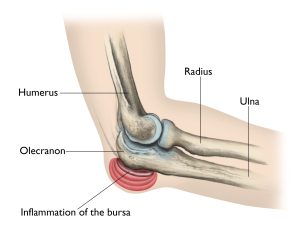
Bursitis develops when one of these sacs becomes irritated and inflamed. The affected area may feel painful, swollen, tender, or stiff, especially during movement or when pressure is placed on it.
Although bursitis often develops gradually, it can also appear suddenly after an injury or direct impact.
Common Locations of Bursitis
There are bursae throughout the body, but bursitis is most common near joints that experience frequent movement, pressure, or repetitive stress.
Shoulder Bursitis
Shoulder bursitis may develop from repeated overhead movement, lifting, throwing, or overuse. Common symptoms include:
- Pain when lifting or reaching overhead
- Discomfort when lying on the affected shoulder
- Tenderness along the outside of the shoulder
- Reduced or painful range of motion
- Pain that becomes worse with repeated use
Because shoulder bursitis can cause symptoms similar to rotator cuff injuries, tendonitis, or shoulder impingement, an accurate diagnosis from a shoulder specialist is important.
Hip Bursitis
Hip bursitis usually causes pain along the outside of the hip or upper thigh, rather than deep inside the joint. Hip bursitis may cause:
- Tenderness when touching the area
- Discomfort when lying on the affected side
- Pain when climbing stairs or walking
- Increased discomfort after standing up from a seated position
Arthritis, tendon injuries, and conditions such as labral tears can cause similar hip pain. An evaluation with a hip pain specialist can help confirm the source.
Elbow Bursitis
Elbow bursitis affects the bursa located over the pointed bone at the back of the elbow. It may develop after a direct impact or from repeatedly resting the elbow on a hard surface. Symptoms may include:
- Noticeable swelling at the back of the elbow
- Tenderness or warmth
- Pain when bending or placing pressure on the elbow
- Limited movement if swelling becomes significant
Some cases cause visible swelling without much pain. Because elbow swelling can also be related to an injury or another condition, an evaluation with an elbow specialist can help confirm the cause.
Knee Bursitis
The knee contains several bursae, but bursitis often develops over the kneecap or along the inner side of the knee. It is common among people who spend extended periods kneeling, including gardeners, construction workers, and flooring professionals. Common signs include:
- Swelling around or in front of the kneecap
- Tenderness when kneeling or bending the knee
- Warmth around the affected area
- Pain or stiffness with movement
Our knee pain specialists can help determine whether swelling is related to bursitis, arthritis, a ligament injury, a meniscus tear, or another condition.
Foot and Heel Bursitis
Bursitis near the heel, ankle, or base of the big toe is commonly caused by repetitive impact, sudden increases in activity, or shoes that place pressure on the area can irritate these bursae.
Symptoms may include:
- Pain in or behind the heel
- Swelling and tenderness
- Discomfort when standing, walking, or rising onto the toes
- Irritation caused by certain shoes
Our foot and ankle specialists can help distinguish bursitis from tendon injuries, arthritis, stress injuries, and other causes of foot pain.
How is Bursitis Diagnosed?
Diagnosis begins with a conversation about your symptoms, recent activities, previous injuries, and medical history. Your orthopedic provider will examine the painful area and evaluate tenderness, swelling, strength, and range of motion.
Imaging is not always required. However, your provider may recommend:
- X-rays to rule out fractures, arthritis, or other bone-related conditions
- Ultrasound to examine the bursa and surrounding soft tissues
- MRI when additional detail is needed about tendons, muscles, or other structures
Bursitis Treatment Options
Treatment depends on where the bursitis is located, what caused it, and how much it is affecting your daily activities.
- Rest and Activity Modification: Taking a temporary break from movements that aggravate the area allows inflammation to settle. Complete inactivity is not always necessary.
- Ice and Pain Relief: Applying ice for short periods may help reduce pain and swelling. Over-the-counter anti-inflammatory medications may also provide relief when they are safe for you to take.
- Bracing, Padding, or Supportive Footwear: Depending on the location of the bursitis, elbow pads, knee pads, braces, shoe adjustments, or orthotics may reduce pressure on the irritated bursa. These supports may be especially helpful when work or daily activities make the source of irritation difficult to avoid.
- Physical Therapy: Physical therapy can help improve flexibility, strength, posture, and movement mechanics. Treatment may focus on the muscles surrounding the affected joint so they can provide better support and reduce stress on the bursa.
- Injections: If symptoms continue despite rest, activity changes, and physical therapy, a corticosteroid injection may be considered to reduce inflammation and pain.
Most cases of bursitis improve with nonsurgical care, but additional treatment may be needed in less common situations. If a bursa becomes infected, treatment may include antibiotics or removing fluid from the area to relieve swelling and support healing. Surgery is rarely needed, but it may be considered when symptoms continue despite other treatments or repeatedly return.
Frequently Asked Questions About Bursitis
Can bursitis heal on its own?
Mild bursitis may improve with rest, ice, and avoiding activities that irritate the area. Symptoms that continue, worsen, or return should be evaluated.
How long does bursitis take to heal?
Some cases improve within a few weeks. Recovery may take longer when the inflammation is severe, has become chronic, or is caused by an activity that is difficult to avoid.
Is it safe to exercise with bursitis?
You may be able to stay active by avoiding exercises that increase bursitis pain. Low-impact activities such as swimming, cycling, walking, or temporary exercise modifications can reduce stress on the affected area while it heals.
Can bursitis be prevented?
Not every case can be prevented, but you may be able to reduce your risk of bursitis by warming up before activity, increasing exercise gradually, taking breaks from repetitive tasks, using knee or elbow pads, wearing supportive shoes, and avoiding activities that repeatedly cause pain.
What is the difference between bursitis and tendonitis?
Bursitis affects a fluid-filled sac near a joint. Tendonitis affects a tendon that connects muscle to bone. Both can cause similar pain and may occur at the same time.
When to Seek Care for Bursitis
The right treatment depends on where the bursitis is located, what caused it, how severe your symptoms are, and how much they affect your daily activities. At Suburban Orthopaedics, our specialists may recommend one treatment or a combination of activity changes, physical therapy, medication, supportive devices, or injections based on your needs and recovery goals.
If pain or swelling is not improving or is starting to interfere with your daily activities and ability to move normally, schedule an appointment. Same day appointments may be available through Ortho Today